The Eyes have it: part one: Anatomy and Physiology

June 14th, 2013

I already have an eye disease, a corneal problem called map-dot-fingerprint dystrophy (translated as “it grew incorrectly”), but I’m much more concerned about the one my father had late in life, age-related macular degeneration. I need to walk you through the anatomy of the eye (How’s that for a mixed metaphor?) before I can outline what either of those ophthalmologic problems are and what can be done to correct, treat or prevent them.

The National Eye Institute has a discussion of the visual system, at a level most appropriate for kids, but very worth viewing and listening to by anyone who is visually oriented in their learning style. I think it’s the one link I’d suggest clicking on if you want an elementary, but accurate audio-pictorial description of how our vision works.

I’ll also give you a link to the WebMD’s Eye Health Center, which has a very nice picture of the parts of the eye and links to many eye diseases, but eventually I plan only write in any detail about two of those parts, the cornea and the retina.

a cross section of the human eyeWe each have two eyes, unlike spiders which usually have eight (I wonder how many Spiderman has). Each eye sees a slightly different view of an object, so we have stereoscopic vision, important in judging distance and in fine manipulation. The front of our eyes have a pigmented part called the iris, a clear domelike structure called the cornea over the iris and an opening in the iris (the pupil) to let light through.The size of the pupil varies, as we’ve all noticed, with how bright the light is. You can’t see the conjunctiva, which is a covering for all of the rest of the front part of the eye except for the cornea. Then a tough fibrous white membrane called the sclera surrounds most of the eyeball  posterior to the cornea.

When you’re looking at something, for instance, your family dog, light representing that object enters your eyes through your pupils, passes through a lens (this is a focusing device) and through a gel-like material called the vitreous humor to the retina, the light-sensitive tissue in the back of the eyeball.

The picture of the object you’re looking at is inverted by the time it gets to the retina whose cells convert the light into electrics impulses which are then carried via the optic nerve to a part of the brain called the visual cortex. That’s located way in the back of your skull in the occipital lobe of the brain (if you feel the back of your head, you’ll note a bump called the occiput).

Then things get very complicated, much more so than I want to delve into, but if you’re really interested here’s a link to a 24-page convoluted article I found. The author, a professor at Weber State University, made the statement about six years ago that if we want to fully understand what happens when the signal leaves the retina, there are two fundamental questions: “What are the discrete anatomical pathways that carry the signal?” and “What information do the signals actually carry?”

His conclusion was that the answers to these questions do not (currently) exist.

So let’s go back to the two parts of the eye that I personally have been most concerned about and start with the National Eye Institute’ comprehensive online discussion, Facts About The Cornea and Corneal Disease. I’d term this article “Everything you might possibly want to know about the cornea and lots more,” so I’ll attempt to abstract some salient points.

First the cornea, in order for us to have good vision, must be free of any cloudy or opaque areas, so unlike most parts of our bodies, it doesn’t have any blood vessels. How does it get its nourishment? Both our tears and the vitreous humour (British spelling), the gel-like watery substance that fills the eyeball between the lens and the retina, play a role in keeping our corneas healthy.

The cornea is both clear and strong and has several functions: it protects the eye from dust and germs and, at the same time acts as an outer lens to help focus light. It also screens out some of the potentially damaging ultraviolet (UV) light in sunlight.

The cornea is frequently misshapen and if it is curved too much or the eye is overly long, objects at a distance don’t focus on the retina. So about 25% of us, those who have this corneal issue, are nearsighted (myopic). The opposite causes farsightedness (hyperopia) and that’s seen in 5 to 10% of both kids and adults.

glasses can often correct myopia, hyperopia or astigmatism

glasses can often correct myopia, hyperopia or astigmatism

Two-thirds of Americans who are myopic (and some who are hyperopic) also have a condition called astigmatism where the curvature of the cornea isn’t smooth, so both near and distant objects appear blurry. This often is correctable by glasses, but special contact lenses or laser surgery are sometimes needed.

Those of us who are allergic to pollen can note corneal irritation, especially during dry, hot weather and may have tearing, corneal redness, itching or other symptoms. Most of the time those problems don’t necessitate medical visits. Antihistamine decongestant eyedrops often reduce our symptoms. Some of us are allergic to animal hair (dander), cosmetics, or medications and those substances or even rubbing/touching your eyes after using soaps, chemicals or applying nail polish can cause a corneal reaction.

Minor injuries to the cornea may be self-healing, but more severe ones clearly require an eye professional’s attention. Similarly corneal infections from a poke in the eye or a contaminated contact lens may necessitate professional help.

As I mentioned before, tears are important for a healthy cornea so dry eye, a condition more common in women, particularly after menopause, may require the use of artificial tears and may be helped by using humidifiers and wrap-around glasses for outdoor wear. Interestingly, people who have dry eye may sometimes have tears running down their faces.

I’ll get to corneal dystrophies and macular problems in my next post.


Inflight medical emergencies

June 9th, 2013
Could this be your last flight?

Could this be your last flight?

So here you are, 68 years old, finally retired from your forty-three year career and just starting that long-awaited trip with your spouse. The Far East beckons as your board that plane headed to Shanghai. Sure, you’ve never gotten around to losing that extra forty pounds, but as soon as you get back you’re going to join a gym and work out three, maybe four times a week. Perhaps they can help you with a Stop Smoking program too.

Six hours later, 42,000 feet above the Pacific, you’re in trouble. It started with that meal you bought at the airport and brought aboard; a strange, uncomfortable feeling in your chest and now you’re sweating and it feels like an elephant is standing on you, with pain coming down your left arm as well.

So this scenario happens over and over. A passenger on a commercial airline has chest pain or, perhaps, shifting gears, is a diabetic who took his or her medicine, but, in the rush of things, didn’t eat before starting on their journey and now has low blood sugar. Or someone may have a stoke or a seizure or a miscarriage.

How prepared is the plane’s crew for the care needed? Do they have adequate training or supplies?

A recent article brought back memories of flying across the Pacific during my Active Duty days. On seven of eight legs, going from the United States to the Philippines or back the other way, I ended up being identified as a physician and needed to help. That’s also happened on a ship cruising down the Danube.

Most of the time the person who needed medical attention wasn’t critically ill. But in one instance, on my last flight back to the States, a Marine went into premature labor, I had delivered fifty babies, but none for the preceding fourteen years. That time I found well-trained help; our head nurse in Labor and Delivery saw me walking down the aisle and said she’d take over.

Another episode had a young troop with acute gastroenteritis; I made the equivalent of Gatorade from supplies on the plane, gave him the rehydration fluid and had two burly young men sit next to him right in front of a bathroom.

But the question I always wondered about in those days was what would I do if someone had a cardiac arrest while we were 3,000 miles from a hospital and eight miles above sea level. This was before the advent of AEDs, automated external defibrillators, the devices that can determine if a person’s abnormal heart rhythm is one that could respond to an electrical shock.

I also flew on one Air Force aeromedical evacuation flight, from Clark AFB, north of Manila, to Bali, but in that case I knew I was there to give or supervise medical care and had a crew that included flight nurses and technicians. They were used to such flights and, in those days, rarely had a doc onboard. Many of our staff members went out from Clark on similar flight to a variety of locations in the Far East.

That was long before the days of “critical care in the air,” pioneered by one of my past Air Force commanders. The USAF’s 59th Medical Wing (formerly known as Wilford Hall Medical Center) now has 15 three-member teams with a critical care physician, critical care nurse and a respiratory tech equipped with all they might need to support three critically ill patients for 72 hours.

But what if you’re in a civilian airplane and have a major medical emergency?

A 2oo6 Federal Aviation Administration (FAA) Advisory Circular dated January 12, 2006 mandated supplies that must be carried on commercial flights. It’s directed at planes with at least 30 passengers and one or more flight attendants.  An AED, blood pressure cuff, stethoscope, CPR masks (to protect those doing CPR, not for those needing it), a few needles and syringes, protective gloves, 4 adult aspirin, 4 other non-narcotic pain pills, oral and injectable antihistamines, an asthma inhaler, 10 nitroglycerin tablets, 50 cc of a 50% dextrose (sugar) solution, 500 cc of a saline solution and a few cardiac drugs are required.

Plus one set of basic instructions on how to use the drugs in the kit.

But who is going to use that kit of emergency materials? Most of the time it would be a passenger, hopefully a physician or nurse or EMT. The FAA states “It is unrealistic to expect flight attendants to achieve the same level of proficiency as emergency medical personnel who preform medical procedures on a routine basis.” The circular goes on to say, “Flight attendants should not be expected to administer medications or to start IVs.”

She also knows how to use an AED

She also knows how to use an AED

Since then a number of airlines have upgraded the training of their staff and added extra supplies to those the FDA requires. I’d like to see a glucometer in the list.

A recent article which caught my attention was titled “Outcomes of Medical Emergencies on Commercial Airline Flights,” printed online by the New England Journal of Medicine (NEJM) on May 30, 2013. It began by stating two and three quarters billion passengers take to the skies every year . The piece tracked nearly three years of in-flight emergency calls from both domestic and international airlines (five airlines carrying roughly 10% of all such passengers) to a medical communications center staffed by physicians.

Overall there was one medical emergency per just over 600 flights; nearly half of the instances resulted in physicians providing help in the air and only 7.3% caused an aircraft diversion, i.e., emergency landing for medical care. Out of nearly 11,000 passengers for whom followup date was available, roughly three-fourths were met by EMS on landing and 2804 were then transport to an emergency room.

Only thirty-six died and of those 30 died in the air. That’s less than 1/2 of one percent of those who needed medical attention.

The ability for flight crew to communicate with physicians on the ground was invaluable, especially as physicians passengers were available less than half of the time and nurses about 20% of cases.

Shortly before the NEJM piece came out, there was an article in The Atlantic, “Medical Emergencies at 40,000 feet.” This one recounted the experiences of Dr. Celine Gounder, a Baltimore-based infectious disease and public health specialist.

I read her article and noted that the 1998 Aviation Medical Assistance Act protects medical personnel providing in-flight care from legal liability except in cases of gross negligence or willful misconduct.

Flight personnel can help physician/nurse volunteers by automatically contacting medical communications centers. A number of physicians who fly may be like me, fifteen years past the last time I rendered any medical care and nearly thirty years past my last ICU experience. And even a practicing ENT doc (for example) may not be comfortable giving cardiac meds without the assistance of a ground-based expert.

But as our population ages while still enjoying travel, the issue isn’t going to go away.

The ongoing war: superbugs versus humanity

June 4th, 2013

I saw an article that gave me some hope for our current bacterial and viral dilemmas; it involved a new strategy to prevent infections, rather than treating them after they’ve struck. I’m all for preventive medicine, both in the infectious disease arena and in medicine in general. I think we “play catch-up” all too often.

How this ICU staffer chooses to protect you from MRSA is crucial.

How this ICU staffer chooses to protect you from MRSA is crucial.

The piece was in The Wall Street Journal on May 30, 21013 with its headline,  ”New Tack in Preventing Hospital Infections: Germ-Killing Soap-Ointment Treatment for all ICU Patients Shown to be More Effective than Isolating Some After Screening” The original article  was printed online in the New England Journal of Medicine on May 29, 2013 and its title was  ”Targeted versus Universal Decolonization to Prevent ICU Infection.”

We’re mostly talking about MRSA (Methicillin-resistant Staphylococcus aureus), that strain of the familiar Staph bacteria that’s been plaguing us for the last few decades, in large part as a result of unnecessary antibiotic use.

Even if antibiotics are used only for significant bacterial infections, a small proportion of the “bugs” may survive. The population of those germs who cannot be killed by the particular antibiotic can multiply and be spread to others. When antimicrobial drugs are used inappropriately used to “treat” viral infections (e.g., “flu” or the common cold) or given wholesale to food animals (beef, chicken, pigs) to promote growth), we’re also likely to be find ourselves with bacteria that are resistant to those antibiotics we’ve previously been able to use successfully.

About 30% of us carry staph of our skin or in our nostrils (without being ill) and somewhere between 1% and 2.5% carry MRSA. Otherwise healthy people can develop infection with it as a painful skin boil, especially in rugby or football players and high school wrestlers, but also in those who are child care workers or live in crowded settings.

Since moving here in 1999 I’m personally aware of two people who started with what seemed to be very minor skin infections, but later were diagnosed with extremely serious progression of their initial disease. One died from what was eventually diagnosed as fleshing-eating Strep; the other survived, but spend a long time in intensive care with a Staph infection that spread from a bump on his arm up to his chest.

Hospitals often screen patients for MRSA and nine states now mandate such screening. But the study mentioned above attempted to see if there was a better way to avert serious infections in the intensive care setting where patients are the sickest.

MRSA growing on a culture plate.

MRSA growing on a culture plate.

Forty-three hospitals with 74 ICUs and nearly 75,000 patents were randomly assigned to one of three infection prevention strategies: the first group screened patents for MRSA and isolated those who tested positive; the second group added “decolonization,” removing the bacteria by washing MRSA-positive patents with an antimicrobial (bacteria-killing) soap plus giving them a nasal antibiotic; the third group of hospitals did not screen patents, but treated every ICU patient as though they had MRSA, i.e., with the soap and the nasal antibiotic.

Universal decolonization cut the rate of positive blood cultures, a way to look at the most serious infections, by 44%. That included not only Staph, but other bacteria as well. Only seven of the research subjects had any form of adverse reaction and those were mild rashes of itching; all resolved after stopping the washing.

The Mayo Clinic webpage on MRSA discusses risk factors for hospital-associated MRSA infections (HA-MRSA) and for those that are community-associated (CA-MRSA). Just being hospitalized increases your risk as does having an invasive medical device (urinary catheter or IV line) and residing in a long-term care facility. Remember, carriers of MRSA can spread the germ, even if they are not sick from it. For CA-MRSA the risk factors include contact sport, living in crowded or unsanitary conditions and men who have homosexual relations.

The World Health Organization (WHO) has an online fact sheet on Antimicrobial resistance. Infections that fail to respond to conventional therapy result in higher medical care costs, greater length of illnesses and a higher risk of a fatal outcome.

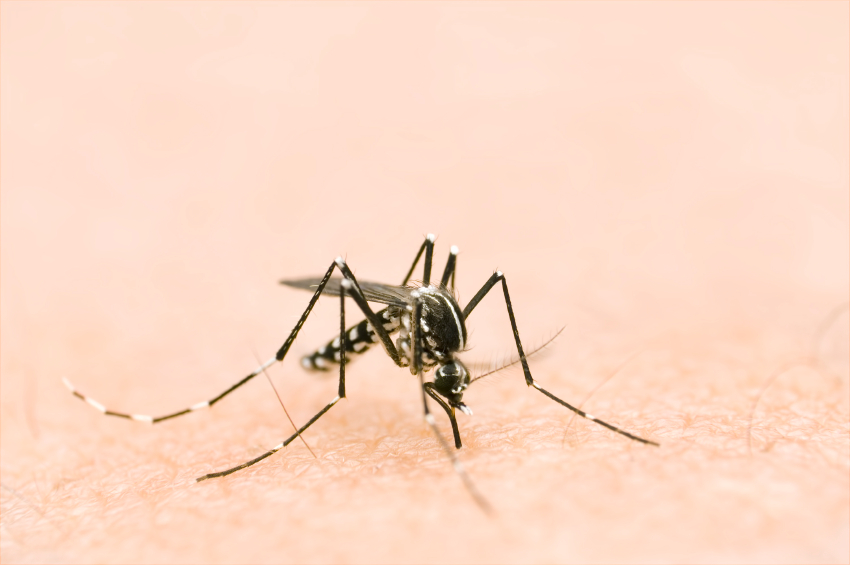
MRSA is by no means the only germ that has developed drug resistance. WHO estimates over 630,000 cases of multi-drug resistant tuberculosis (MDR) requiring longer therapy with more drugs. Malaria, caused by one of five species of a parasite that are carried by mosquitos, has become increasingly difficult to treat because of this issue. Malaria cases in the United States have been relatively rare, about 1,200 per year while annually there are 300 million cases and one million deaths from the disease elsewhere in the world.

Most US cases have occurred in those who travel to sub-Saharan Africa, India, or Southeast Asia; That is likely to change as the expected average temperature increase of 0.4 degrees Celcius over the next eight years will likely increase our mosquito population by up to 30%, including the one mosquito species that carries the Plasmodium falciparum, the most deadly type that I’ve only seen when I was serving at the Air Force Regional Medical Center located on Clark AFB in the Philippines.

A recent online copy of The New York Times has an article titled, “Pressure Grows to Created Drugs for Superbugs.” Health and Human Services (HHS) is going to pay $40 million to a pharmaceutical company to develop new antibiotics to combat drug resistance; they are concerned about biological agents that terrorists may utilize to cause widespread death.

But in the meantime, tens of thousands of our citizens die from inceptions, mostly hospital-acquired and caused by the current generation of antibiotic resistant germs. The FDA’s director of the Center for Drug Evaluation and research was quoted as saying, “We are facing a huge crisis worldwide not having an antibiotic pipeline… but what is worse is the thought of where we will be five to 10 years from now.”

A move to fast-track approval of new anti-infective drugs is being hotly debated. The Infectious Disease Society of America would support their labeling for use on only the very sickest patients.

Others are concerned that these restrictions are insufficient; that the new medicines will be used for those less-than critically ill without our knowing how the antibiotics will perform and what their advise effects may be. One director of the infectious disease society said, “The last thing we want is for a new drug to be overused.”

The next twenty to fifty years will be a critical time for the germs versus humans war.

Where are Holmes and Semmelweis when you need them?

May 31st, 2013

In the early and mid 19th century many young mothers died soon after giving birth. They were struck down by childbed fever (AKA puerperal fever), Ever since the time of Hippocrates (460-370 BCE) it had been known that childbirth was a dangerous time for women; there are numerous complications possible around the time of delivery, but childbed fever, in the early and mid 19th century, was investigated and eventually largely prevented by the work of both Oliver Wendell Holmes, known primarily for his brilliance in other fields, and, Ignaz Semmelweis, a Hungarian MD, who these days seems to get most of the credit.

His work saved many lives

His work saved many lives

In reality it was Holmes who heard of a physician dying after performing an autopsy on a woman who had died from puerperal fever. He concluded that lack of handwashing was the culprit in transmission of the disease. In 1843 he read a paper on the subject before the Boston Society for Medical Improvement, but its publication, in a medical journal with a small readership, had little effect and  a leading Philadelphia obstetrician derided Holmes’ work.

Dr. Ignaz Semmelweis finished his MD degree in 1844 and two years later became an assistant to the head of the maternity clinic at the University of Vienna. He noted that two separate birth-centered clinics in the hospital had marked different maternal mortality rates. In the First Clinic medical students were trained and the death rate among new mothers was 10%; in the Second Clinic midwifes were trained and the mortality rate was less than 4%.

Then a colleague died of sepsis after cutting his finger during an autopsy; as in Holmes’ index case, it had been on a woman who died of childbed fever. Midwives did not perform autopsies and Semmelweis concluded that he and other physicians were somehow transmitting the disease. He insisted that everyone attending a postmortem examination must scrub their hands.

Although the death rate in the First Clinic feel immediately to match that of the Second Clinic, Semmelweis’ concept of infectious particles was ridiculed and a book he published on the subject was ignored.

But eventually handwashing became routine and puerperal fever very rare.

Which bring us up to the modern era and its handwashing dilemma. An article published in The New York Times on May 28, 2013, was titled “With Money at Risk, Hospitals Push Staff to Wash Hands.”

More than 160 years after the ground-breaking work of Holmes and Semmelweis, hospital-acquired infections are costing $30 billion and causing nearly 100,000 deaths every year in the United States.

Without some prodding, hospital workers have been shown to wash their hands between patients as infrequently as 30% of the time, unless they receive some form of stimulus to change their behavior. Now Medicare has stepped in and the facilities will loss money when their patents get infections that are preventable.

Why is this a crucial time for our medical staff members to wash frequently?

In the time of Holmes and Semmelweis, there were no antibiotics, so a major infection, once well established could rapidly lead to death. We’ve got lots of antibiotics now, but a variety of organisms, previously susceptible to drug therapy, are now drug-resistant.

An online discussion of the issue on a Food and Drug Administration (FDA) webpage is titled “Fighting the Impact of Antibiotic-Resistant Bacteria.” It mentions several background problems that have contributed to the rising death toll from a number of drug-resistant bugs. Note that their title mentions bacteria. Viruses are not treatable with antibiotics, so if we get the flu or a cold  we should never expect our healthcare provider to give us an RX for an antibiotic.

Similarly, the widespread use of these chemicals in the animal industry has certainly contributed to antibiotic resistance. As opposed to treating a sick cow or chicken or pig with meds specific to their condition, utilizing them to improve weight gain in healthy animals is a practice frowned upon by the FDA.

Wash your hands before you enter a patient's room and again after you leave.

Wash your hands before you enter a patient’s room and again after you leave.

Back to handwashing: some hospitals have hand-washing coaches, give free pizza to those who do follow the routine of washing in and washing out of patient rooms, or even use video snooping to determine who on their staff is guilty of poor technique or skips handwashing entirely.

One hospital on Long island agreed to a test of the video system’s results. In a 16-week period where workers were being filmed in the Intensive Care Unit, but weren’t given feedback, optimal hand-care practices were recorded in less than 10% of visits to the patient’s rooms.

When the same staff members got reports via an electronic billboard and emails, the rate rose to 88%.

At Beth Israel Hospital in Manhattan, doctors, nurses and other staff members who consistently omit their handwashing must take a four-hour remedial infection disease course, and then teach the techniques they’ve learned to other staff. As opposed to the negative reinforcement of the course, the subsequent teaching sessions were regarded positively.

Patient families are encouraged, in some of these hospital programs, to ask staff entering their loved ones room if they washed according to protocol.  The plan was received especially well by parents with sick kids.

A professor in the school of nursing at Columbia University is certainly in favor of the electronic monitoring systems, but notes that some staff members will game the system to the extent of crawling under a waist-high camera or swiping their staff badge and turning on the water, but not actually washing.

If I had such a staff member when I commanded an Air Force medical center, I’d courtmartial them for assault. If I had been in an analogous civilian senior position, I’d fire the person involved, or if he/she were a doc, I’d ban them from the hospital.

So if you visit a patient, be sure to wash in and wash out. And don’t hesitate to remind docs, nurses and other staff members if they don’t.


A new approach to Dementia

May 28th, 2013

When I think about our future I don’t worry much about strokes, heart attacks, broken hips or even cancer. I’ve done all that I can, or more precisely all that I care to at the moment, to prevent those things from happening. I weigh 148.4 pounds this morning, way done from my high school weight of 172, eat lots of fruits and vegetables, and exercise very vigorously six days a week. My wife works out  as much as I do, although at a lesser pace. Now that we have a new dog, we’re getting much more weight-bearing exercise, walking 40 to 80 minutes a day.

The most frightening word in my dictionary

The most frightening word in my dictionary

What I do worry about is dementia, for either of us. We have a long-term-care policy, but when we got it we limited the number of years covered. My choice would be not to live a long demented life. If I have Alzheimer Disease and get pneumonia, don’t even think of giving me antibiotics.

A 2007 article in the journal Neuroepidemiology, with the lead author being, B L Plassman, reported on the “Prevalence of Dementia in the United States:  The Aging, Demographics and Memory Study.” Eleven years ago there were an estimated 3.4 million people in the U.S. who were 71 and older (I’m 72) felt to have dementia. That was 13.9% of that population group. Most had Alzheimer Disease (9.7% of the 71+ year-olds or 2.4 million).

Age is a significant factor here as 5.0% of people in the 71-79 year-old group had a dementia diagnosis and 37.4% of those over 90.

At my age the Social Security database says I can expect to live 12.44 more years on average and my wife, about to be 73, can expect to live 13.91 more years. And those are the averages; my bet is as active and slender as we are and especially with my family history, one or both of us may well make it past 90.

The Cleveland Clinic online discussion of the problem, titled “Types of Dementia,” mentions neurological diseases, vascular disorders (multiple small strokes can lead to one form), infections (e.g., HIV), chronic drug use, depression and accumulation of fluid within the brain (AKA hydrocephalus). Roughly 20% of all cases of dementia may have a treatable cause.

They estimate that 5-8% of those over age 65 have one or another form of dementia and that number doubles every five years above that age range. Some would estimate as many as 50% of those 85 and up have some form of the disorder, way over the percentage in that 2007 article.

Their approach is to group the problem into Alzheimer Dementia (50-70% of all dementia) and non-Alzheimer Dementia. And they are careful to distinguish between treatable and curable forms of dementia. Most forms are treatable; few are curable at present.

We’ve been through dementia scenarios on both sides of my family. My mother’s last four years (from age 86 to 90) were spent in large part with Dad, who was quite competent mentally. He had resuscitated her from a cardiac arrest when she was 74 and she had twelve good years subsequently. But I have a photo of the two of them taken at their 65th wedding anniversary and Mom looks rather vague and unfocused. She wasn’t violent or difficult in her last years, but would sit for hours reading…with the book held upside down.

Lynnette’s mother, who lived until she was 86, had outbursts of anger over minor things that she was previously have been unfazed by; she would swear at someone in the nursing home over trivial affronts.  Her short-term memory was gone and after Lynnette and her sister got their Mom into the long-term care facility, she’d call my wife and say,”If you don’t get me out of here immediately, I’ll never speak to you again!”

A half hour later she’d have completely forgotten the episode.

We have and will have growing numbers of our elderly parents, grandparents, friends and our own selves with these issues. How best to take care of them?

Air Force Village II, where our surrogate parents live (they were patients of mine, ran our wedding in 1988 and decided we’d be another set of their adult children), has an Alzheimer and other forms of Dementia Research Unit called Freedom House in cooperation with the University of Texas Health Science Center in San Antonio. It’s been in operation for fifteen years and is state of the art.

Comforting surroundings and attentive caretakers can help

Comforting surroundings and attentive caretakers can help

When I last visited that domicile for patient with one or another cause of dementing disease, I was greatly impressed by the caring staff and their innovative approach to its occupants.

A May 20, 2013 article in The New Yorker is titled “The Sense of An Ending.” Staff reporter Julia Mead wrote about new ways to care for people with dementia. She notes that most care facilities operate with the “medical model,” aiming to postpone dying through progressively escalating interventions.

Other places, including the one she featured, have adopted a more holistic approach, relying less on psychotropic medication, those commonly used by psychiatrists to alter chemical levels in the brain which impact mood and behavior.

A woman named Tena Alonzo, featured in the New Yorker article, has spent twenty-eight years dealing with dementia patients and prefers to refer to them as “people who have trouble thinking.” Alonzo is the co-director of PCAD, Palliative Care for Advanced Dementia, at a retirement community in Phoenix. Her work, done in concert with her physician co-director, emphasizes comfort for the afflicted individual; knowing their life story and incorporating it into the care plan, individualizing care to meet the needs of the person (not the staff), anticipating their needs versus waiting for behaviors to occur, and having her staff act as the voice of those with dementia.

Her retirement home has no fixed bedtimes, rising hours or even mealtimes; staff walk around with plates of small sandwiches and cookies and lemonade are offered on a movable snack cart. Dementia patients often lose weight as they become less likely to ask for food or drink.

In a 2010 publication, Alzheimer disease was the seventh leading cause of death in the United States with annual costs estimated at $172 billion and unpaid care being given by 10.9 million of us.

We have a friend who is working on a major project to treat Alzheimer disease, but until his work and that of many others comes to fruition, alternate concepts of how those afflicted can be cared for are desperately needed.

I’m glad to see some are trying innovative approaches.


Oh, it’s phytonutrients, not Fidonutrients

May 26th, 2013

We got a new dog almost three weeks ago, another Tibetan terrier, but this time a retired show dog. So I’m been intetested in what he eats (dry dog food, but a specific brand and for senior canines). I guess it was logical that when I saw an article on phytonutrients in The New York Times this morning, that my first thought was of “Fido nutrients.” Of course that wasn’t at all what the writer meant.

a healthy salad is one place to start

a healthy salad is one place to start

I found a background piece specifically on phytonutrients in WebMD; I already knew that the word “Phyto” referred to plants, but was somewhat surprised to read there are over 25,000 of these natural chemicals found in fruits and vegetables as well as in whole grains, tea, beans and nuts. From the plant’s point of view, the phytonutrients help defend against its natural enemies (e.g., bugs & germs).

From our point of view, however, they may help prevent disease, visual problems, diabetes, cancer, dementia and heart disease. None of those are as clearcut as I’d like, but I’ve become a believer in their value. Yet eight out of ten Americans have a “phytonutrient gap,” they get less in their diets than they should for optimal health.

I need to emphasize the “may help” part of my comment above; I don’t find many large, double-blind, prospective clinical trials that conclude there is an absolute benefit.

What can these chemicals do for us? The National Cancer Institute mentions one significant advantage; they help protect us from free radicals, atoms or groups of atoms that have an odd number of electrons, those tiny negatively charged particles that circle the nucleus of an atom. They are formed when oxygen interacts with certain chemicals and react with cells, especially with their DNA.

Antioxidants are believed to have a role in slowing the aging process and in animal studies have helped prevent the free radical damage that is associated with cancer. Human studies have been inconclusive thus far.

There seems to me, at the current state of knowledge, to be no logic behind taking supplements to increase your intake of antioxidants. But eating more fruits and vegetables and picking which ones you eat is an entirely different story.

2010 article in e! Science News highlighted the concept that trying different fruits and veggies could help us increase our daily intake of phytonutrients. To start with, even those of us who follow the current guidelines to consume less red meat and eat a lot more fruits and veggies tend to eat more sweet varieties than is optimal. We need, as I just did, to occasionally eat some rhubarb or other less sweet fruit and add more herbs in our cooking.

By and large, the concept “Eat Your Colors,” as I found in a University of Minnesota advisory piece online, is the clue to getting a significant amount of of the various phytochemicals in your diet. There are five different fruit and vegetable hue groups: red, yellow/orange, purple/blue, green and white/tan.

there are lots of kinds of potatoes

there are lots of kinds of potatoes

When we traveled to South America eight years ago we were amazed at the variety of vegetables available in a local market in Peru. One kind of potato was purple and, according to an article I read today in The New York Times, that variety has twenty-eight times as much of a particular useful chemical as russet potatoes do. That chemical is believed to help fight cancer, but some studies say it doesn’t get into the body in an active form when the plant it’s found in is eaten.

The NYT article was titled “Breeding the Nutrition Out of Our Food,” and was written by an investigative journalist, Jo Robinson, who has a book about to be published, Eating on the Wild Side: The Missing Link to Optimum Health. She’s been writing in the field of nutrition for years.

Robinson mentions that wild dandelions, formerly eaten by Native Americans, have much higher levels of these chemicals than spinach and one kind of apple (she doen’t specify which) has 100 times the levels of phytonutrients as its Golden Delicious competitors. I gave up on that rather blah-tasting apple and its Red Delicious sibling  years ago and now look for Rome, Galas, Fuji, Granny Smith and Braeburn varieties.

Her basic premise is that humans have been picking sweeter fruits and vegetables for thousands of years; most of these are low fiber, high sugar (and starch and oil) varieties. Sweet corn is a key example where we’ve trended over the years to a vegetable that’s lower in some helpful chemicals than blue, black or red corn.

I’ve been very intrigued as I read five articles on the subject today. I agree there’s no definitive data that tells me to eat my colors and eschew the most common choices availble at supermarkets. I do know that the tomatoes we’ve gotten from a local CSA are much more flavorful than those I see on the shelves in the store.

The other way of looking at the concept, even if you don’t accept that phytonutrients are the answer to many of our health issues, is to say when you concentrate on fruits and veggies and fill well over half your plate (preferably three-quarters), you have less room for meat. And when you choose fruits and vegetables with unusual colors, you serve a more attractive plateful of food.

That’s a reasonable start.


Does a pound of apples equal a pound of potatoes?

May 22nd, 2013

In January, 2013 a rather startling article in JAMA concluded that its not only okay, but actually may healthier, to be somewhat overweight and it’s not bad to even be a little obese.

That conclusion took many of us by surprise and was hard to swallow. I read it and went into my hypercritical mode.

To start with almost everyone would agree that those who are really skinny may not be healthy, unless they’re a marathon runner or some other kind of well-trained athlete. And, by the same token, being truly obese is bad for you.

But why should people who are overweight be healthier than those of us who are reasonably trim? And, to step things up a notch, why should being mildly fat not carry some risk?

This was a meta-analysis which an online dictionary  defines as a systematic method that takes data from a number of independent studies and integrates them using statistical analysis.

In other words, the authors weren’t doing their own large prospective study (one that starts at the current time and follows a group of research subjects over a {hopefully} extended period of time) but was a project that (retrospectively) reviewed the past work of others.

The gold standard in medical research, from my reading, is to have a randomized, controlled, double-blinded, prospective study. That translates into the research subjects being allotted by a method that picks them in a non-biased fashion to some kind of treatment or another (or none) and neither the researchers or the “researchees” know what group they’re in. Ideally the total number of subjects should be quite large and the study starts when they’re chosen and goes on from there.

Here there wasn’t a treatment and it was reasonable to look at other authors’ work done in the past, but of course there are hazards in doing so. What often appears to happen, is a group of researchers say, “Let’s look at problem X by seeing what other medical scientists have done. And we’ll accept or not accept those previous studies by criteria we can agree upon.”

These authors retrospectively examined data from 97 studies including nearly three million subjects (2.88M), but those came from a pool of over 7,000 articles and excluded, for pre-set and logical reasons, 98% of those.

In the same edition of JAMA were comments in a superb editorial piece, “Does Body Mass Index Adequately Convey a Patient’s Mortality Risk,” It mentioned a 1942 statistician working (as my Grandpa Sam did) for the Metropolitan Life Insurance Company said staying at the same weight you were at at age 25 meant you had a better chance for a longer life. Later on height and weight tables were compiled and a number called the body mass index could be derived using those two measurements and, in general, the CDC said, it was a reasonable estimate of how lean or chubby you were.

Normal BMI is said to be between 18.5 and 25 (I’m at 21 at present), so underweight would be represented by those with a BMI <18.5, the overweight range is 25-30, low-grade obesity from 30 to 35, grade 2 obesity from 35 to 40 and grade 3 obesity from 40 on up.

Since the origin of the concept behind BMI was European (by a Belgian polymath somewhere between 1830 and 1850), it’s usually measured as the weight of a person in kilograms divided by their height in meters squared. A close American version is weight in pounds divided by height in inches squared and then multiply by 703.

So at 150 pounds and 71 inches tall (I’ve lost at least a half an inch over the years), my BMI calculates as 20.9. If I weighed 200 pounds, my BMI would be 27.9 and I’d be called overweight. At the most I’ve ever weighed (216) and with my younger height of 71.5 inches, my BMI was 29.7. That’s a 66 pound difference; I thought I was fat at that weight.

Total mortality, the editorial said, has a U-shaped relationship with BMI, with considerably higher risk of death at BMI’s less than 18.5 or greater than 30.

That’s long been the traditional viewpoint, but the data in the January JAMA article didn’t seem to agree with the latter finding. The editorial clarified matters considerably, saying the normal range can be divided in two parts with those having a BMI between 18.5 and 22 having a higher mortality rate than those who BMI is between 22 and 25.

I’d go a step further by saying there are those of us who have a relatively low BMI because we’re lean and exercise a lot and others who have a similar BMI because of chronic illness or poor nutritional intake.

Lean and well-muscled

Lean with a muscular torso

I have well-muscled legs (I ride a recumbent bike for 15+ miles and 500+ calories six days a week), but I’ve never had strong arms and I’m small-boned. Since the beginning of 2009 when I went back on my own eating plan and really increased my exercise time, I’ve gone from a 38 inch waist to 33 and given away slacks and belts. If I weighed 200 pounds and was a large-boned guy with a great torso and a small waist, I think my risk factors for death would be less than if I had a big belly and weighed the same 200 pounds.

So we need to add waist measurement and probably blood pressure, blood lipids (HDL cholesterol and triglycerides) and fasting blood sugar to the BMI to get a better estimate of risk factors for dying.

That still doesn’t explain why those with a BMI of 30 to 35 appear to do well. One comment is that docs have gotten considerably more aggressive in looking at and managing blood pressure, lipids and elevated blood sugars in those of their patients who are overweight or obese.

Weighing what I do now, down nearly 30 pounds since early 2009, my own physician hasn’t suggested I get a fasting blood sugar or a lipid panel for several years.

I bet she would if I weighed 216 again.


My aching back: What caused it? What’s on the treatment horizon?

May 16th, 2013

I have chronic low back soreness in spite of having two neurosurgical operations over the fourteen years that we’ve been in Colorado. So I was excited to see a Medscape article, dated April 15, 2013, on a promising new treatment, one that clearly needs a prospective controlled trail, but a concept that offered me some hope.

My last post went over the anatomy of the spine, both the bony part, the spinal column &  the nerve part, the spinal cord, cauda equine and nerve roots. Now I’d like to focus on low back pain (LBP), while acknowledging that many of us (including both my wife and myself) have problems with the upper spine, AKA the cervical spine.

The most frequent problem seems to be that strange entity called degenerative disc disease (DDD).  When I’ve looked at a variety of sources on this condition, the feature that many  of us with DDD have in common, is age. The Cedars-Sinai webpage on DDD mentions a critical point: as we age nearly all of us will show at least a modicum of signs of waer and tear on our final discs, yet many will have no symptoms. So the term, DDD, conventionally is used to refer to those who have pain from their damaged discs.

I copied the illustration below from the webpage of Dr. Jeffrey Goldstein, a New York City orthopedic surgeon and back specialist. He emphasizes that disc degeneration is a normal part of aging, but it can cause damage to nerves or cause pain by bones rubbing on each other.

 As I mentioned briefly in my previous post, spinal discs are rubbery, so they can act like shock absorbers for the vertebrae. They also help the facet joints in allowing us to twist and turn; at the same time they are exposed to and resist tremendous forces. They have a tough outer layer and an elastic (more fluid) core.

They have minimal blood supply, so if they get damaged there’s no repair mechanism built in. Then, much as my medical history reveals, over a considerable period of time, the injured disk causes acute pain limiting back movement, then pain may occur off and on as the bone that was injured loses some of its stability and eventually the portion of the spine injured restabilizes and pain occurs less frequently.

By the time we are sixty, partially depending on our sports and daily motion, we’re quite likely to have disc degeneration, but, as noted above, we may or may not have back pain.

Sometimes, under various stresses, a disc pushes right through its outer membrane. We call this a ruptured or herniated disc. Roughly 90% of the time, if a disc herniation happens, it’s in the low back. And most of those who rupture a disc are age 30 to 50. As we age beyond 50, our discs dry out and are less likely to rupture.

On the other hand, we can develop arthritic changes in the vertebrae (see illustration above) that cause pain by pressing on nerve roots leaving the spinal column. This is termed spinal osteoarthritis and, although it may occur in the younger set because of trauma/injury (under age 45 this is more common in men), it’s typically seen and is more common in women over that age. There may be neck or back stiffness or pain, often lessened by lying down. It’s even more frequent in those who have excess poundage.

Facet joint disease is another form of this osteoarthritis (the term osteo refers to bone). It may be associated with inflammation of the facets and cause the back muscle to spasm with increased pain on any motion of the area.

Sometimes the space in which the spinal cord lies gets narrowed; this is called spinal stenosis and occurs mostly in the neck or low back regions. It may be a congenital condition (one you are born with), but much more commonly is caused by overgrowth of bone, a ruptured disc, tightening of the ligaments that help keep your vertebrae together or even by injuries or a tumor. It’s more commonly seen in those of us over 50 and, if severe can lead to complications (numbness, weakness, incontinence or even paralysis)

When I had an MRI and saw my neurosurgeon for the first time, I had all three conditions: a ruptured disc, facet disease and spinal stenosis.

I was fortunate in that, under light anesthesia, the surgical team did tests to determine exactly what levels of my spine needed fixing. Now I’m by no means a neurosurgeon or orthopedic back surgeon (My initial residency was in Internal Medicine), so I can’t tell you exactly what my doc did.

I have a scar like this

I have a scar like this

But as best I know, he poked in a protruding disc, reamed out a facet joint opening and expanded whatever was causing my spinal stenosis.

That led to considerable improvement of my symptoms and signs (back pain and leg numbness and weakness with some shrinkage of the muscle above and to the inside side of my right knee) But some of the symptoms came back after six years and I had a second operation.

Now all I have is fairly regular low-grade back soreness; I’d sure like to get rid of that too. So when I found that article online in medscape.com, with the title “Autologous Bone Marrow Grafts Promising for Low Back Pain,” I read it quite carefully.

It clearly is research at this stage and, as I mentioned, needs a large, prospective controlled trial, but researchers from Missouri reported a series of 24 consecutive patients (averaging 45 years old and with 17 men and 7 women) who had chronic LBP unresponsive to a number of therapy trials and all having lumbar disc disease. They took some of their own (AKA autologous) bone marrow from a hip, concentrated it and injected some into the lumbar disc affected and more just outside those discs.

This only took a short time (20 to 60 minutes) and most of the patients had considerable pain relief that lasted over a two-year followup period.

I’m eager to see more data on this new modality for treating chronic LBP.


Low back pain: the “background”

May 14th, 2013

I have a family history of back problems as well as a personal one. I don’t know exactly what my Aunt Millie’s (Dad’s sister) back issue was, but it bothered her for many years; otherwise she seemed completely healthy until she died abruptly of cardiac disease at age ninety. My Dad never had back surgery, but often had back problems. Those may have been muscular, as his golf game seemed to be connected to his pain. He’d say, “I shouldn’t have used that three-iron; it twisted up my back.”

It happens to many of us

It happens to many of us

The website of the NIH’s National Institute of Neurological Disorders and Stroke has a ten-page Low Back Pain Fact Sheet with the comment that Americans’ LBP is our most common job-related disability and, as a neurological affliction, trails only headache in frequency. Much of it resembles Dad’s three-iron comment; it’s often exercise or work-associated and lasts just a few days.

But some is chronic and overall the amount of money spent on LBP is staggering, $50 billion a year.

My wife has also had low back pain (LBP) problems and wrote a story for one of the Chicken Soup books with her title being, “How Pilates Saved me from Surgery.” That concerned her first episode of severe LBP eight years ago when an MRI showed disc disease in her lumbar area (below the ribs and above the sacrum). At that time she saw the same Denver neurosurgeon who has operated on me and he said, “It’s too soon for surgery. I’ll arrange for an injection by an anesthesiologist in Fort Collins (I played the D card, calling for her and saying  this is Doctor Springberg, and she got her shot the very next day).

She mentioned Pilates to the neurosurgeon and he approved her going to a class with some caveats. She told her instructor about her back problem and the health club’s experienced teacher said, “That’s no problem; there are some exercises I’ll modify for you and some you should not do at all.”

I had seen the online story of a woman who hadn’t had the same positive experience; she and others have cautioned that Pilates is not the answer for everyone, unless you have an instructor familiar with the limitations necessary for some students.

Lynnette has remained slender and exercised five or six days a week (Pilates on three days and a class called “Strong women, Strong Bones ” twice a week + stretches every day and one or two trips to the gym with me). Then she had a flareup over the last few months. She saw our favorite physical therapist, got new exercise and posture ideas and is back to low-grade soreness (two on a pain scale of one to ten). There’s no surgery in sight.

She also has a strong family history of chronic LBP; her mother had it for years and her sister has had two operations thus far and numerous injections of either steroids or pain medication.

My  first episode of acute LBP happened forty-four years ago when I was a clinical Nephrology fellow at Duke, was relatively inactive and had gained lots of weight (I was at 216 pounds and had wrestled at 155 in college). The NIH Fact Sheet says most acute LBP is mechanical in nature, happens most commonly to those aged 30 to 50 who have a sedentary lifestyle and may be overweight.

I certainly fit that picture back in 1969 except I was only 28; today I weighed 149.4 pounds.

Chronic LBP, defined as pain that persists for at least three months, is another matter. It has lots of causes, especially disk disease. That statement requires considerable background. Your spinal cord is a major part of the nervous system with literally millions of nerve fibers that transmit information to and from the brain and the arms, legs, organs, and trunk of your body. It’s fairly delicate so to protect it you have a series of barriers and cushions starting with the spinal column (AKA the spine), a series of bones called vertebrae. There are seven in the neck region (the cervical vertebrae) twelve in your upper back (thoracic area technically), five in the lumbar (low back) area, and then a set that are fused together (your sacrum and coccyx, AKA tail bone), making up a rough and slightly variable total of thirty.

a typical lumbar vertebra

a typical lumbar vertebra

Each one of the vertebrae has a body, the main area for weight bearing, and an off-round hole that the spinal cord passes through. Branches of the cord, AKA nerve roots, pass through other spaces in each vertebra; these are called foramina (the term comes from Latin and means a natural opening). The bony structures are separated by intervertebral discs , rubbery pads held in place by muscles and ligaments. The posterior part of the vertebrae has a portion termed the spinous process. That’s what you can feel when you touch somebody’s back and move your hands up and down.. It also has wing-like bony structures (transverse processes) on each side where back muscles attach. A particular vertebra is connected to the next vertebra up and downstream by facet joints, stabilizing links which allow twisting motions especially in the neck and low back (very limited in the chest area).

The spinal cord itself is cushioned by a fluid called the cerebrospinal fluid or CSF. It is produced in the skull and serves multiple purposes for the brain: buoyancy, allowing the brain to be densely packed without cutting off its own blood supply; protection from being jolted or hit; chemical stability by removing metabolic waste and allowing distribution of neuroendocrine chemicals (e.g., the nine hormones from the pituitary gland).

One more bit, then I’ll quit this prolonged anatomy lesson; The spinal cord ends higher in the back than the spinal column. At the bottom of the cord is a bundle of nerve roots that send messages to and from the legs and pelvic organs. These are called the cauda equina (Latin for horse’s tail). Rarely they can get compressed by a ruptured disc, tumor, infection, car crash, a significant fall, gunshot  or knife wound, fracture, or narrowing of the spinal canal.

When that happens, it’s a surgical emergency, called the cauda equina syndrome.

So your spine is a highly articulated, complex structure and lots can go wrong with it.

More on that in my next post.


C-section or vaginal delivery?

May 8th, 2013
A C-section is a real operation and not bloodless

A C-section is a real operation and not bloodless

So what’s a nephrologist doing writing about an Ob-Gyn topic? Well, to begin with I’ve delivered fifty babies, just none recently, so I’ve always had an Obstetrics interest. I was reading the latest edition of JAMA and saw an article in the “Clinical Crossroads” section titled “Elective Cesarean Delivery on Maternal Request.” That caught my attention so I started reading about C-sections versus vaginal deliveries. The CDC webpage on the subject said in 2010 there were 1,309, 182 C-section deliveries in the US versus 2,680,947 vaginal deliveries. So nearly a third of all American deliveries were via C-section.

That hasn’t changed significantly in the last few years; there’s a 2007 article “Recent trends in Cesarean Delivery in the United States” which documents the increase in the percentage of deliveries done by C-Section rising from 21% in 1994 to 26% in 2002, 30% in 2005 to the plateau from 2007 through the most recent data I could find, a mid-June 2012 report in the publication, Healthgrades.

The 2007 report has details on C-section rates versus age of the mother and, as I expected, the percentage of deliveries done by this method rises steadily as the mom’s age does. For those under age 20, the rate was 23%, for women over 40 it rose to 48%. All racial and ethnic groups experienced a similar increase from 1996 to 2007 and excluding American Indian and Alaskan Native women, all the other groups had C-section rates of 30% or higher.

State by state differences were considerable with four (Alaska, Idaho, New Mexico and Utah) staying under 25% and five others (Florida, Louisiana, Mississippi, New Jersey and West Virginia) topping the list at over 35%.

A 2010 paper from the World Health Organization looked at Cesarean rates in 134 countries. There were 54 in which the rate was less than 10%, 69 where it was greater than 15% and only 14 in the 10-15% zone WHO considered optimal.

That’s amazing when we consider the WHO figure versus those in the United States. In 2006 a C-section was the most frequently performed surgery in U.S. hospitals!

There are a host of recognized medical indications for doing a C-section, those may include a fetus in an unusual position (not head-down), a maternal condition that may be worsened by labor (e.g., heart disease), an unusually large baby, a fetus with a known health problem, maternal infection with genital herpes or HIV, some multiple pregnancies (conjoined twins, AKA Siamese twins) or a placenta that is blocking the cervix (placenta previa).

Beyond clinical reasons for having this surgical procedure, there’s maternal preference. The JAMA article was part of a series called “Conferences with Patients and Doctors,” and presents the case of a late 30s primip (woman having her first baby; technically it should mean one who has already had a baby) who requested a C-section; she happens to have worked since she was twenty as a paralegal in a firm that handles mostly medical malpractice claims, so her viewpoint is very likely to be skewed.

The term itself, cesarean delivery on maternal request, with its acronym CDMR, sprang from an NIH State-of-Science-Conference Statement dated March 27, 2006. An 18-member panel reviewed the pertinent literature and heard comments for 18 experts in appropriate fields. They concluded there was not sufficient evidence to fully evaluate the pros and cons of CDMR versus  vaginal delivery, but noted that the incidence of C-section without medical or obstetrical indications was increasing in the U.S.

At that time the authors thought a decision for CDMR had to be individualized and ethical principles must be adhered to. They also noted that CDMR should not be recommended for women who planned to have more than one child as there were increasing risks in each subsequent cesarean delivery.

The placenta is the thickened area on the top of the uterus

The placenta is the thickened area on the top of the uterus

What are those risks? Besides a difficult C-section in subsequent deliveries, sometimes leading to hysterectomy, need for blood transfusion or other surgical complications, there are potential problems with the mother’s womb. The placenta, the structure that develops in the uterus during pregnancy to provide oxygen and nutrients to the fetus and remove its waste products, normally attaches to the lining of the uterus on the top or side of that organ.

A variety of issues can affect the placenta: increased maternal age is associated with a number of those as are high blood pressure, blood-clotting disorders, substance abuse or abdominal trauma.

Two placental abnormalities are more common with repeated C-sections and, in turn, may necessitate another Cesarean delivery or even a hysterectomy. Placenta previa means the structure has partially or even totally covered the cervix, instead of attaching to the top or side of the womb. This condition can lead to severe vaginal bleeding either prior to or at the time of delivery. The likelihood of placenta accreta also increases when placenta previa is present, especially when the mother has had repeated C-sections.

Normally the attachment of the placenta to the uterus, via small blood vessels termed chorionic villi, is relatively superficial, allowing easy separation of the structure after the baby is delivered. In placenta accrete, the viili penetrate deeper into the wall of the uterus, into a muscular layer called the myometrium.

When this happens, vaginal bleeding can happen during the third trimester of pregnancy, heavy bleeding can occur after the baby is delivered, the placenta can fail to separate from the uterine wall after the delivery and a C-section and surgical removal of the uterus may be required. The risk of placenta accreta is increased in areas of uterine scarring, often caused by a prior C-section.

The NIH Consensus Conference on the subject and the American Congress of Obstetricians and Gynecologists (ACOG) issued three recommendations for planning CDMR: It should not be done before a gestational age of 39 weeks has been accurately determined (allowing the fetus to have adequate lung development); It shouldn’t be motivated because of fear of inadequate pain management, and It should not be recommended for women who wish to have several more children.

ACOG and medical ethicists feel that women need to have informed discussions of these issues, but, in the end, the obstetrician can ethically agree to a C-section. They are not required to do one and if the patient and her physician cannot agree on the route of delivery, it is appropriate for the doctor to refer her to another obstetrician.